

Gottman Method Couples Therapy
Our registered psychologists are trained in Gottman Levels I and II. This evidence-based couples therapy is backed by 40 years of research and is the most rigorously studied approach to couples therapy in the world.
Every couple argues. Every couple drifts sometimes. The difference between relationships that thrive and those that don't isn't the absence of conflict, it's how couples navigate it. Dr. John Gottman spent four decades studying over 3,000 couples and discovered that he could predict whether a relationship would succeed or struggle with 94% accuracy, just by watching how partners interact.
The Gottman Method is not about who is right and who is wrong. It is about understanding the patterns that pull couples apart, and replacing them with habits that bring them closer. It is practical, structured, and built entirely on evidence.
At Center Street Psychology, our Gottman-trained registered psychologists use this approach to help couples rebuild friendship, manage conflict constructively, and create a relationship with shared purpose and meaning.
The Supporting Research
Dr. Gottman's research found that thriving couples maintain a 5:1 ratio of positive to negative interactions. A 2018 clinical trial showed that couples who completed 10 sessions of the Gottman Method scored significantly higher in intimacy and relationship quality. It is less about theory and more about what is proven to work. It is backed by data, not just instinct.
✓40+ years of research on 3,000+ couples
✓Effective for all relationship types and orientations
✓Works for couples in crisis and couples who want to grow
✓Structured assessment + personalized treatment plan
✓Practical tools you use between sessions, not just in them
The Four Horsemen
-
Criticism
Attacking your partner's character rather than addressing a specific behaviour. "You're so selfish" instead of "I felt ignored when you didn't ask about my day."
Antidote
Gentle startup, expressing a feeling about a specific situation, without blame.
-
Horseman 2
Contempt
Sarcasm, mockery, eye-rolling, sneering, or treating your partner as inferior. Contempt is the single strongest predictor of relationship failure in Gottman's research.
Antidote
Build a culture of appreciation. Regularly express genuine gratitude and admiration.
-
Defensiveness
Responding to concerns with counter-attacks or excuses rather than listening. Defensiveness signals to your partner that their concerns don't matter , in turn escalating conflict.
Antidote
Take responsibility - even for just a part of the problem. Acknowledge your partner's perspective.
-
Stonewalling
Shutting down, withdrawing, or going silent during conflict. This is usually a response to feeling emotionally flooded, but it signals to your partner that you've given up.
Antidote
Physiological self-soothing. Take a break, calm your nervous system, and return to the conversation.
Who is the Gottman Method for?
-
If you find yourself having the same fight over and over without resolution, the Gottman Method helps identify the underlying dynamic, and break the cycle for good.
-
Emotional distance and disconnection are common and treatable. The Gottman Method rebuilds friendship and intimacy from the ground up through practical, evidence-based exercises.
-
The Gottman Method includes specific structured interventions designed for couples healing from infidelity, betrayal, or significant ruptures in trust.
-
You do not need to be struggling to benefit. Many couples use the Gottman Method proactively, to deepen their connection, prepare for major transitions, or simply invest in the relationship they already have.
Ready to invest in your relationship?
Book a complimentary 15-minute call with our Director of Client Care. She will personally match you with the right Gottman-trained psychologist for your relationship.
The Sound Relationship House
The seven-level framework that guides Gottman therapy.
1. Love Maps
Knowing your partner's inner world - their hopes, fears, stresses, and dreams. Couples who maintain detailed love maps navigate life's changes with far greater resilience.
2. Fondness & Admiration
Regularly expressing genuine appreciation and respect. The antidote to contempt, and a foundation of lasting connection.
3. Turning Toward
Responding to your partner's bids for connection, the small everyday moments of reaching out. Couples who turn toward each other 86% of the time are far less likely to divorce.
4. Positive Perspective
Viewing conflict and your partner's actions through a positive lens. When the friendship is strong, problems feel solvable rather than threatening.
5. Managing Conflict
Learning to handle disagreements without gridlock. Notably, 69% of relationship conflicts are perpetual - the goal isn't to solve them but to manage them with understanding and humour.
6. Life Dreams
Supporting each other's individual goals, hopes, and aspirations. Many conflicts are symbolic, underneath them are unspoken life dreams waiting to be honoured.
7. Shared Meaning
Creating a relationship with shared rituals, values, goals, and symbols. Couples with a rich shared meaning system have a deep sense of purpose together.
Trust & Commitment
The walls of the house equal the belief that your partner has your back, and the commitment to invest in this relationship above all others.
What to Expect from Therapy
-
Your first session is a conjoint intake where your psychologist learns about your relationship history, your concerns, and what you both hope to achieve in therapy.
-
Your psychologist meets with each of you individually.
This gives both partners space to share their perspective honestly, without the dynamic of the couple present.
-
Both partners complete relationship questionnaires.
Your psychologist then provides detailed feedback on the strengths and growth areas in your relationship- specific, honest, and constructive.
-
It4. Tailored therapy sessions
Sessions focus on the specific areas your relationship needs, whether that's conflict management, rebuilding intimacy, improving communication, or processing past hurts.
Most couples see meaningful progress within 6 to 12 sessions.
Gottman Couples Therapists
-
![]()
Wanda Chevrette, Assessments Lead and Registered Psychologist
-
![]()
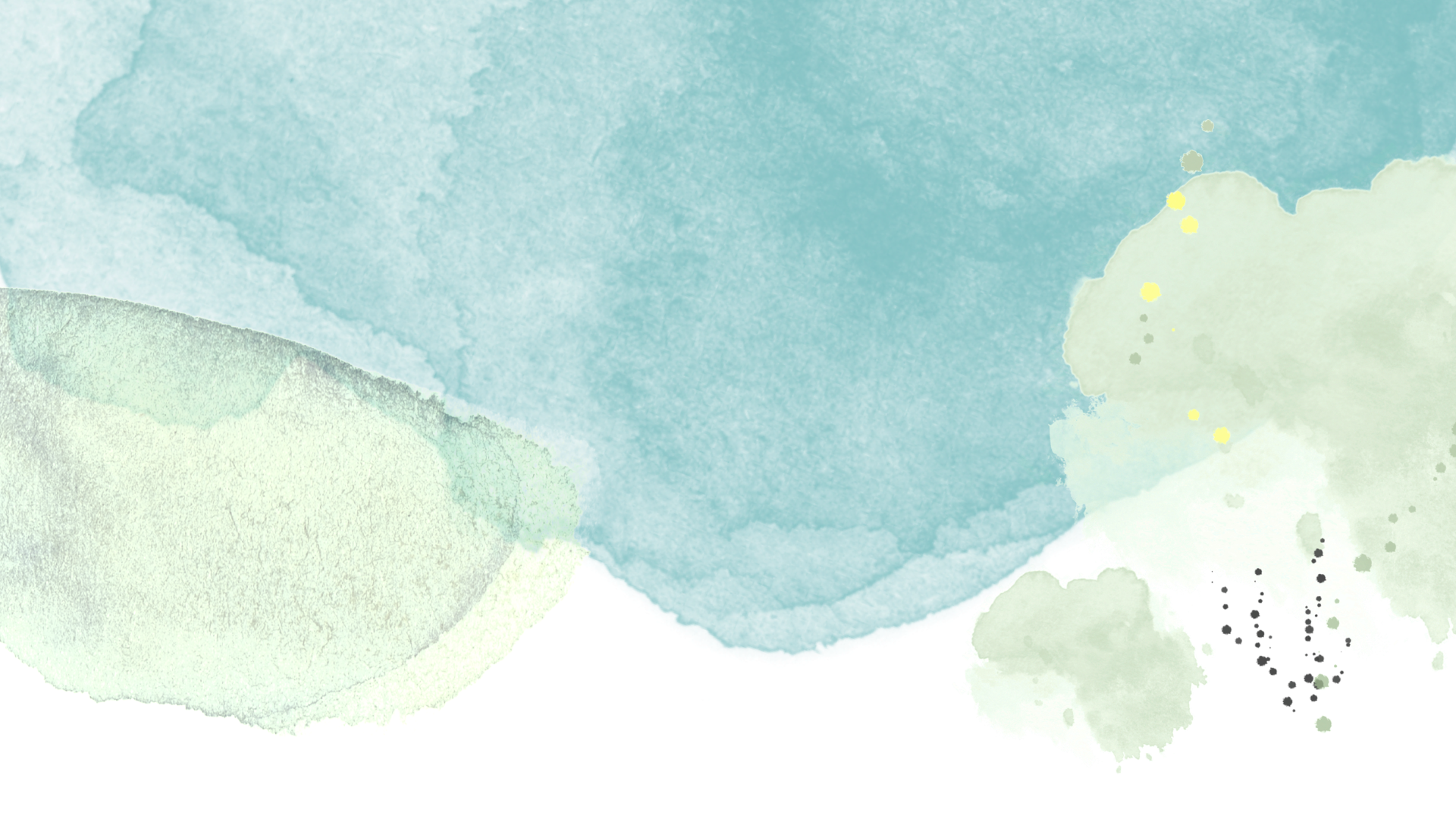
Tyler Schamehorn, Registered Psychologist
-
![]()
Britta Carry, Registered Provisional Psychologist
-
![]()
Carson Flockhart, Registered Provisional Psychologist
-
![]()
Dr. Prachi Bhatnagar, Registered Psychologist




Gottman Method - Frequently Asked Questions
-
Not at all. The Gottman Method works for couples in distress and couples who simply want to invest in the relationship they have. Earlier is always easier.
-
Most couples see meaningful progress within 6 to 12 sessions.
The exact number depends on your goals and the complexity of what you are working through.
-
Yes. The Gottman Method includes specific structured interventions for rebuilding trust and safety after betrayal.
It requires commitment from both partners, but it works.
-
Absolutely. The Gottman Method has been validated for same-sex couples and diverse relationship structures.
Our therapists provide affirming, inclusive care for all couples.
-
This is very common. We recommend booking a free consultation with our Director of Client Care , and she can talk through how to approach the conversation with your partner and whether individual sessions first may help.